
Permanent hair removal has a complex and fascinating history, deeply intertwined with evolving cultural norms and the shifting landscape of gender identity. From ancient practices to modern technology, the journey of hair removal reflects broader societal changes, particularly in how we perceive and express gender.
Ancient Roots: The Cultural Significance of Hair
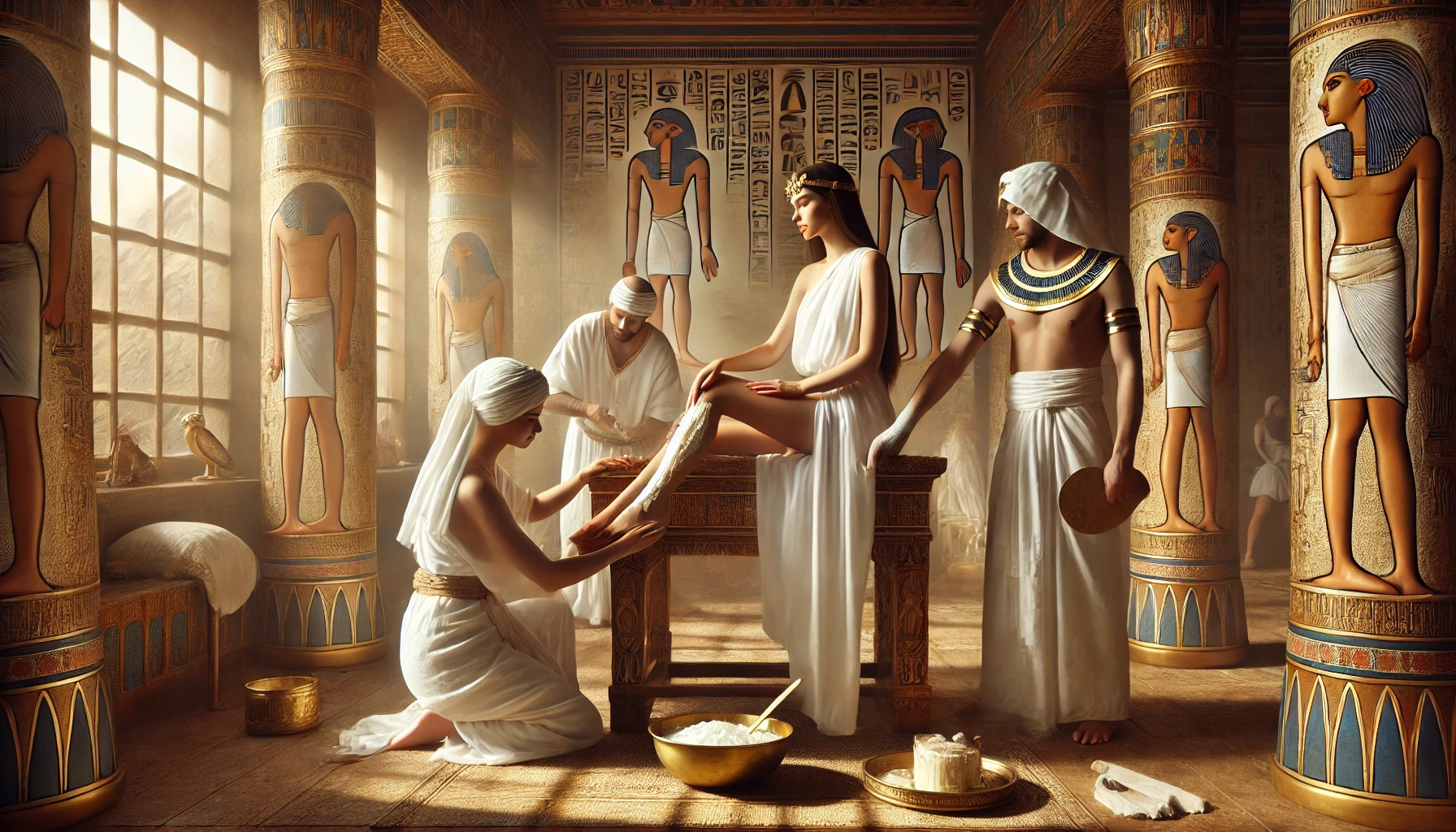
Hair has long held symbolic significance across various cultures. In ancient Egypt, body hair was often removed for reasons of hygiene and aesthetics. Egyptian men and women alike used sugaring—a mixture of sugar and water—to achieve smooth, hairless skin. Hair removal was seen as a sign of cleanliness and high status. Similarly, in ancient Greece and Rome, smooth, hair-free skin was associated with youth and beauty. The practice was particularly common among women, but men also engaged in hair removal, particularly athletes, who removed body hair to showcase their physiques.
However, these ancient practices were not necessarily linked to gender identity in the way modern hair removal practices are. Instead, they were more about adhering to societal standards of beauty and cleanliness.
The 20th Century: Gender Norms and Hair Removal
The early 20th century saw the rise of modern hair removal techniques, such as shaving and waxing, largely driven by the fashion industry and changing norms around femininity. The sleeveless dresses and shorter skirts of the 1920s and 1930s exposed more skin, leading to an increased emphasis on hair removal for women. Advertisements and media reinforced the idea that smooth skin was a marker of femininity.
During this time, hair removal became a gendered practice, with women expected to maintain hairless bodies while men were generally not held to the same standard. However, these expectations began to shift towards the end of the century as gender norms became more fluid and diverse.
The Rise of Permanent Hair Removal: Technological Advances
The latter half of the 20th century saw significant advancements in permanent hair removal technologies. Electrolysis, developed in the late 19th century, became more widely available and was one of the first methods to offer long-lasting results. By the 1970s and 1980s, laser hair removal began to emerge as a more efficient and less painful alternative to electrolysis.
These technologies gained popularity not only among women but also among men and individuals across the gender spectrum. For men, permanent hair removal became particularly popular among athletes, bodybuilders, and those in the entertainment industry. However, it also began to appeal to men outside these spheres, reflecting a shift in societal expectations about male grooming and masculinity.
Gender Identity and Permanent Hair Removal
The relationship between permanent hair removal and gender identity became more prominent towards the end of the 20th century and into the 21st century, particularly within the transgender community. For many transgender women, permanent hair removal became an essential part of the transition process, helping to align their physical appearance with their gender identity. Removing facial and body hair became a way to achieve a more traditionally feminine appearance, which could be crucial for personal comfort and social acceptance.
Similarly, some transgender men and non-binary individuals also turned to permanent hair removal to express their gender identities, although the focus was often different. While transgender men might seek to maintain body hair as a marker of masculinity, they might still pursue hair removal for areas they feel do not align with their gender identity.
Permanent hair removal thus became not just a cosmetic choice but a deeply personal one, tied to individuals' journeys of self-expression and identity. It offered a means of controlling one's body in a way that aligned with one's inner sense of self, which is particularly significant in a society that often imposes rigid gender norms.
The Future: Inclusivity and Evolving Norms
As we move further into the 21st century, the role of permanent hair removal continues to evolve. Today, there is a growing recognition of the diversity of gender identities and expressions, leading to a more inclusive understanding of beauty and grooming practices. Hair removal is no longer strictly tied to traditional gender norms; instead, it is seen as a personal choice that can be made by anyone, regardless of gender.
Technological advances continue to make permanent hair removal more accessible and effective. Meanwhile, the increasing visibility of non-binary and gender-fluid individuals in media and society is challenging the notion that hair removal should adhere to any particular gender expectations.
In this more inclusive landscape, permanent hair removal is becoming less about conforming to societal norms and more about individual empowerment. Whether someone chooses to remove body hair, keep it, or something in between, the decision is increasingly seen as a personal expression of identity rather than a requirement to fit into a specific gender mold.
Conclusion
The history of permanent hair removal is a reflection of broader cultural and societal shifts, particularly in relation to gender identity. From ancient rituals to modern laser technologies, the practice has evolved from a symbol of beauty and status to a powerful tool for personal expression. As society continues to embrace a more fluid understanding of gender, the role of permanent hair removal will likely continue to shift, becoming ever more inclusive and reflective of individual choice.
